
Septic repair
Septic System Repair in Lake Houston, TX
Find out whether the problem is the tank, the box, the lines or the field before anyone prices a fix.
In short
- Diagnosis first: tank, box, lines, field
- Harris County: a malfunctioning system must be upgraded or replaced
- Ask the county whether the repair needs a permit
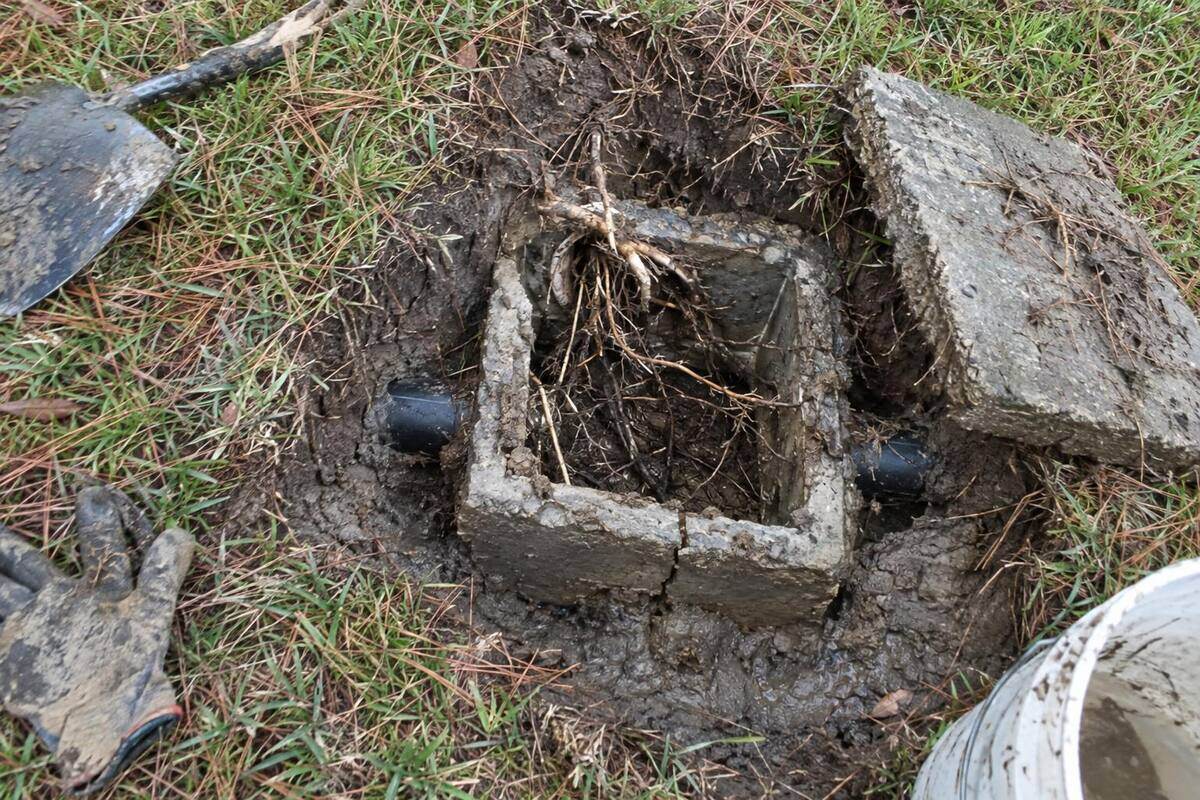
Where a Septic System Fails
- The tank. A broken or missing baffle lets solids out toward the field. A cracked tank leaks or lets groundwater in.
- The distribution box. The splitter between the tank and the lines can crack, tilt or fill with roots, sending all the flow down one line.
- The lines. Roots, crushed pipe or clogged perforations. Heavy equipment parked over a field can do it.
- The field. The soil stops absorbing. On the Gulf Coast's clay that can happen slowly and show up first after a long wet spell.
- The machinery. A pumped system has a pump and a float; an aerobic unit has an air pump, a panel and an alarm.
Source: General septic practice; the pro's own diagnosis for a particular property controls
What the County Says About Repairs
Harris County's wastewater FAQ is direct: older properties with inadequate or malfunctioning systems are required to have a new system installed or the existing one upgraded, and installing or upgrading a system requires a septic permit, with drawings and a site evaluation from a registered engineer or sanitarian.
Montgomery County's guide to obtaining a permit covers new systems and licensed add-on modifications, with a $145 fee for the latter, and does not say whether a repair needs a permit; its questions line is (936) 539-7839. This site has not read Liberty County's rules. The honest answer in all three is to ask the county about the specific repair before work starts, and to ask the pro what he will file.
Source: Harris County Office of the County Engineer, Wastewater FAQ (oce.harriscountytx.gov), read November 2, 2026; Montgomery County Environmental Health Services, “How to Obtain a Septic” permit guide (county document center), read November 2, 2026
Keeping a System From Failing Again
The county's page lists the habits: never put household solid waste or toxic chemicals in the system, avoid garbage disposals or have the system designed for the extra load, and conserve water, since one leaking toilet can overburden a system. Pump on a schedule. Keep vehicles off the field. Fix a leaking fixture the week you find it.
Source: Harris County Office of the County Engineer, Wastewater FAQ (oce.harriscountytx.gov), read November 2, 2026
Common Questions
Does a septic repair need a permit?
Harris County's page says older properties with inadequate or malfunctioning systems are required to have a new system installed or the existing one upgraded, and that installing or upgrading needs a permit. Montgomery County's guide covers new systems and add-on modifications and does not say whether repairs need one; the county's questions line is (936) 539-7839. Liberty County is not covered here.
What is the usual cause of a soggy field?
It can be a full tank pushing solids out, a broken distribution box, roots in the lines, or soil that has simply stopped absorbing. The pro opens the lid and the box before deciding, because the fixes cost very different amounts.
What does a repair cost?
A home-buyer guide quotes about $2,700 as a national average and asks readers to verify it; local prices are the pro's to quote after he looks. The cost page keeps the sources together.
Wet yard, backed-up toilet, or a field that smells?
Call. The pro opens the lid and the box first, then tells you what it is.